Why Bearing Measurements Matter for CVT Repairs
October 8, 2026 · 7 min read
Start by identifying the correct CVT
The first step in CVT bearing identification is confirming exactly which transmission is fitted to the vehicle. A vehicle make, model and year can provide a useful starting point, but they may not be enough to identify the transmission accurately. Engine size, drivetrain, production date and whether the vehicle is New Zealand-new or imported can lead several CVT options to be listed.
Where possible, confirm the VIN or chassis number and locate the transmission identification code before ordering internal parts.
Check the original bearing part number
If the transmission has already been dismantled, inspect the original bearing carefully before ordering a replacement. Many bearings have identifying numbers stamped, etched or laser-marked onto their rings. These markings may include the bearing manufacturer, bearing number, series information or other specification codes.
Measure the CVT bearing
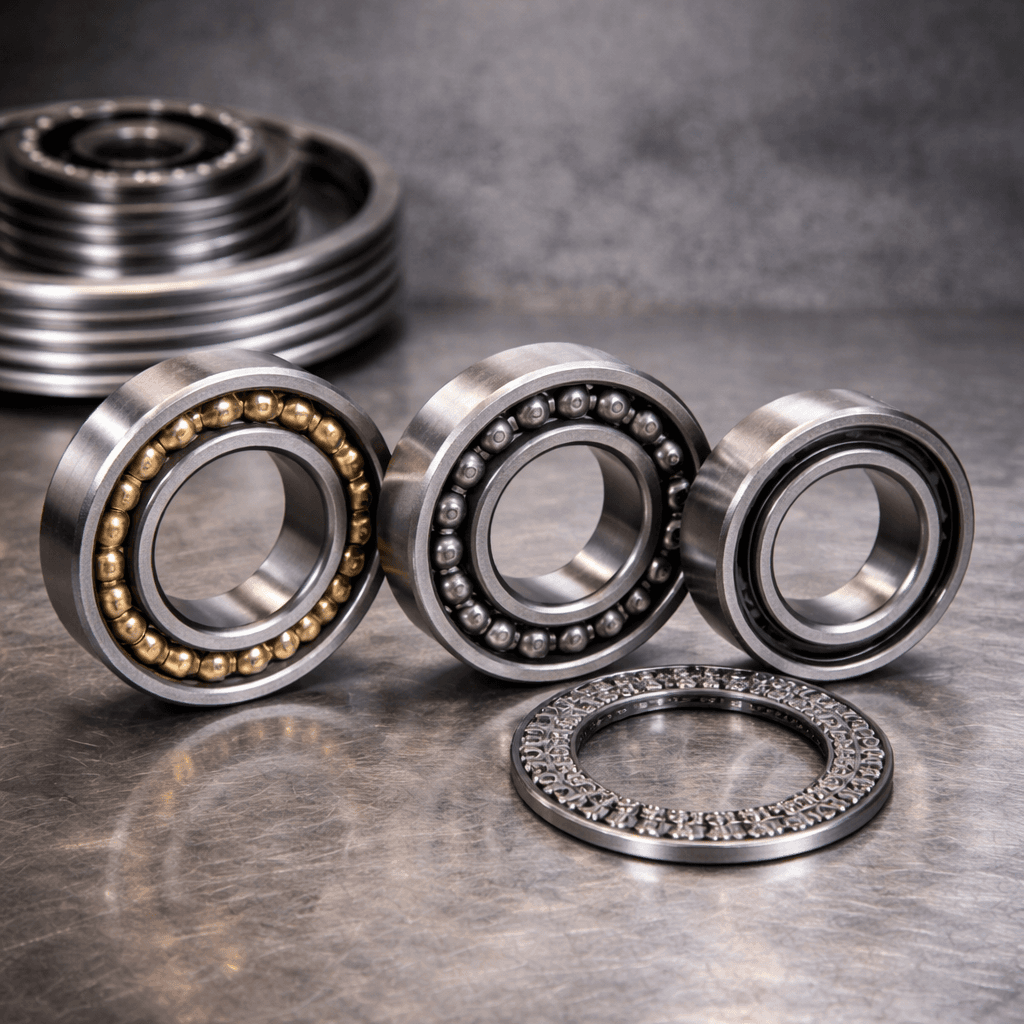
Bearing dimensions are particularly useful when the original part number is damaged, unreadable or unavailable. The three main measurements are the inner diameter, outer diameter and width. Measure accurately with vernier calipers and note whether the inner ring has a shoulder, step or recess.
Why dimensions alone are not enough
Two bearings can sometimes share the same basic dimensions while having different specifications. Differences in internal clearance, sealing, load capacity, contact angle or application can mean that a bearing which physically fits is not necessarily the correct bearing for the transmission.
Match the transmission and bearing information together
The best way to identify a CVT bearing is to combine several pieces of information rather than relying on a single detail. For example, knowing that a bearing came from a particular transmission code, is fitted to a certain location, has a readable manufacturer part number and measures a specific size provides a much stronger identification than simply ordering a bearing for a particular vehicle.
Take clear photos before ordering
Photographs can help when part numbers are difficult to read or when there is uncertainty about the bearing. Take clear images of both sides, the markings, the transmission location and any damage. Include a ruler or calliper in at least one photograph for scale.
Keep the original bearing
Do not dispose of the original bearing until the replacement has been identified and confirmed. Even if damaged, it can still provide useful information about its dimensions, markings and construction.